Keyword: ANTARCTICA | Words about frozen deserts

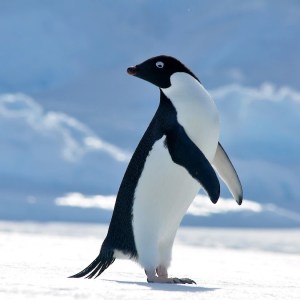
Photo by Kate Kloza (Australian Antarctic Division)
Antarctica actually means “not Arctic”. Not very original, true, but its designated name was already taken by the time this land was finally discovered. Terra Australis Incognita was a Latin expression literally meaning “Unknown South Land”. Since ancient times, it was believed that there was a land at the southernmost tip of the planet, but no one knew where it might be. During the colonial process, what is now Australia was first “discovered” by the Dutch, who named it as New Holland. Then came the British and they assumed this was the “unknown south land” our distant ancestors were looking for and, at the beginning of the 17th century, not long before the discovery of Antarctica, the English explorer Matthew Flinders thought “Terra Australis” was too long and that “Australia” sounded better. Australia is also known as “down under”, which conveys this idea of that land at the bottom of the planet.

So, when the true “terra australis” was found, they had to come up with a different name. “Arctic” comes from the Greek word arktikos, a reference to arktos, which means “bear”. In the old days (and even today, for those who are willing to skip GPS), people were guided by Polaris (the North Star), which indicates North for those located in the North Hemisphere. Polaris is a star right above the North Pole and, because of that, barely moves in the night sky. To find Polaris, one would only have to identify the constellation Ursa Minor (literally meaning Little Bear) and follow its tail. Therefore, as the Arctic was up in the north, near Polaris, then it was the land near the bear. The fact that the Arctic has polar bears, while Antarctica does not, may or may not be a coincidence.

Partly inside the Arctic Circle, there is Greenland, a huge island permanently covered by ice and with no trees. So, why is it called a land of green? Because it was, thousands of years ago, when the Vikings disembarked there. However, its true name is actually Kalaallit Nunaat, which means “the land of the Kalaallit”. The Kalaallit are the native Indigenous people of “Greenland”. They are Inuit, which means “people” (please note that “Eskimo” is a term European people used to use that is nowadays considered highly offensive). There are different tribes of Inuit. The Kalaallit are the ones from Greenland, or better yet Kalaallit Nunaat. There are also Inuit in Northern Canada and in Alaska. By the way, “Alaska” comes from the Aleut word alaxsxaq, which means “the object towards which the action of the sea is directed”. The Aleut are the Inuit of Alaska.

In the Arctic and in Antarctica there are no Indigenous people, but there are plenty of unique animals. Polar bears can only be found in the Arctic regions and penguins can only be found in cold regions in the southern hemisphere, especially in Antarctica. “Penguin” is a curious word… It comes from the Welsh words pen gwyn, meaning “head white”. In reality, it meant “great auk”, “auk” being a bird similar to the current penguins, but not related. Auks have become extinct in the 19th century. Back in the Arctic, narwhals are a type of whales perfectly adapted to these icy waters. Their name comes from Old Norse nāhvalr, a composition of the words nār and hvalr. This last word means “whale”, the first means “corpse” … but in the sense of having a colour similar to the one a corpse has. Another Arctic whale that was named according to its colour is the beluga. “Beluga” comes from the Russian word belyĭ, which means “white”.

Many other animals have adapted themselves to the extreme cold of the Poles. However, Antarctica, like Kalaallit Nunaat, was once green and warmer. In a continent roughly the size of Europe and Australia combined, there are high mountains like the Alps, glacier-carved valleys, flat plains and even an ocean. Researchers have recently succeeded in starting to figure all this out using technology (read the article “Landscape beneath Antarctica’s icy surface revealed in unprecedented detail”, from the link below). The problem for these researchers is that Antarctica’s landscape is covered by a thick ice sheet, just like Greenland. Ice sheets are similar to glaciers, but the former have a much greater extension. They consist of layers of snow that have not melted. Each layer of snow is compressed by the layers above and turns into a kind of ice-rock. As the snow keeps being added above, the snow-turned-ice-rock below moves slightly and very slowly. That is why glaciers carve valleys and ice sheets find their way to the ocean. Those high ice walls, typical images of Antarctica, are the edge of the ice sheet.

Researchers are studying ice sheets to understand how Antarctica is formed and how it will react to climate change. Essential for them are ships. Yet, these ships are not ordinary ships. They are icebreakers. Icebreaker ships are more resistant than a normal ship and have a special design in order to be able to cut the ice. Without this capacity, the ship may get trapped in the ice. That was what happened to Endurance, the famous ship of Captain Shackleton. Another famous Polar explorer ship is Fram. Fram went both to the Arctic and the Antarctica at the end of the 19th century and the beginning of the 20th century and “lived” to tell the tale. This ship is now “parked” inside a museum, where we can get in and have an idea what it was like to travel inside it. Around it, there is plenty of information about its missions and about other missions during that time.

In the nutshell, there is a lot to discover about Antarctica, about the Arctic, and about Kalaallit Nunaat (Greenland).

 
Sources / more information:

 
Check the ongoing research:


Extra: Fiction books set in Greenland (translated into Portuguese)

English version

Never has so much been heard about Greenland as these days. First “visited” by the Vikings in the 10th century, it has been colonized by the Kingdom of Denmark since the 18th century. The relationship between the Inuit (the native people of Greenland) and the Danish government has not been a peaceful one. As it happened in other colonies, the Greenland true natives were brutalised and discriminated against (they still are). They have longed for a very long time to be completely independent, but the situation just got increasingly complicated with the declared intentions of the President of the USA.

Christoffer Petersen is a British fiction author who lived in Greenland for seven years. Teaching English to people living in remote areas and in the country’s capital, he had extensively contact with the Inuit. He has learned about their problems with Denmark and the consequences of its disastrous ruling. Having moved to Denmark, he now spends his time writing fictional stories about that frozen world. Some of those books are translated into Portuguese.

Portuguese version

Nunca se falou tanto sobre a Gronelândia como nestes dias. Visitada pela primeira vez pelos Vikings no século X, foi colonizada pelo Reino da Dinamarca a partir do século XVIII. O relacionamento entre os Inuit (o povo nativo da Gronelândia) e o governo dinamarquês não tem sido pacífico. Tal como aconteceu noutras colónias, os verdadeiros nativos gronelandeses foram brutalizados e discriminados (ainda o são). Há muito que anseiam pela independência toral, mas a situação está cada vez mais complicada com as intenções declaradas do Presidente dos EUA.

Christoffer Petersen é um autor de livros de ficção que viveu na Gronelândia durante sete anos. Ao ensinar inglês para as pessoas que viviam em áreas remotas e na capital do país, teve bastante contacto com os Inuit. Tomou conhecimento sobre os problemas com a Dinamarca e as consequências do seu governo desastroso. Tendo-se mudado para a Dinamarca, agora passa o tempo a escrever histórias ficcionadas sobre esse mundo gelado. Alguns destes livros estão traduzidos em Português.


The Greenland Trilogy | A Trilogia da Gronelândia


When Fenna Brongaard started her job with the SIRIUS patrol, she thought her biggest challenge was the ice storms along the patrol route through the Greenland desert. She was wrong. From her secret mission in Book 1, her short career as a secret agent in Book 2, to her personal self-imposed assignment in Book 3, she lives many dangerous adventures. A fast-paced thriller that surprises at every step of the way. In the meantime, she also meets David Maratse, a Greenland Police Constable and the main character of the Greenland Crime series.

Quando Fenna Brongaard começou a trabalhar na patrulha SIRIUS, pensou que o maior desafio seriam as tempestades de gelo ao longo da rota através do deserto da Gronelândia. Estava errada. Desde a missão secreta no Livro 1, passando pela curta carreira como agente secreta no Livro 2, até ao autoimposto dever no Livro 3, ela vive muitas aventuras perigosas. Uma história de ação alucinante que surpreende a cada passo. Entretanto, ela conhece David Maratse, um polícia gronelandês e a personagem principal da série Crimes na Gronelândia.

 
BOOK 1: “The Ice Star”
TRADUÇÃO para português: “A Estrela do Gelo”

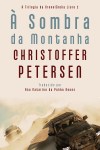
BOOK 2: “In the Shadow of the Mountain”

TRADUÇÃO para português: “À Sombra da Montanha”

BOOK 3: “The Shaman’s House”
TRADUÇÃO para português: “A Casa do Xamã”


FENNA SHORT STORIES

After the events that unfolded in the previous books, Fenna is recruited by a secret services agency and is assigned several missions. Some of these missions are told is the following books.

Depois dos acontecimentos dos livros anteriores, Fenna é recrutada por uma agência de serviços secretos e é destacada para várias missões. Algumas dessas missões são contadas nos livros seguintes.

 
BOOK 1: “In Strange Hands and The Frenchman”

TRADUÇÃO para português: “Em Mãos Alheias e O Francês”

BOOK 2: “At All Costs”
TRADUÇÃO para português: “A Qualquer Preço”


Greenland Crime | Crimes na Gronelândia


Due to the events that took place in The Greenland Trilogy, David Maratse, a Greenland Police Constable, is forced into an early retirement. He decides to move to Inussuk, situated on the coast, on the other side of the country, to hunt and to fish. Well, that was the plan. The plan changes in Book 1 when Maratse finds a dead body, murdered. Against his will, he gets involved in the police investigation. In Book 2, he finds an abandoned boat, full of blood… In the meantime, he falls in love with Petra Jensen, a Greenland Police Sargent and the main character of the Greenland Missing Persons series. Yet, Petra disappears in Book 3 and, because of what he does for her, Maratse goes to jail in Book 4.

Devido aos acontecimentos que tiveram lugar n’A Trilogia da Gronelândia, David Maratse, um polícia gronelandês, é obrigado a reformar-se mais cedo. Decide mudar-se para Inussuk, situado na costa, no outro lado do país, para se dedicar à caça e à pesca. Bem, esse era o plano. O plano muda no Livro 1 quando Maratse encontra uma pessoa morta, assassinada. Contra a sua vontade, participa na investigação policial. No Livro 2, encontra um barco abandonado, cheio de sangue… Entretanto, apaixona-se por Petra Jensen, uma sargento da polícia gronelandesa e a personagem principal na série Pessoas Desaparecidas da Gronelândia. Porém, Petra desaparece no Livro 3 e, por causa do que ele faz por ela, Maratse vai parar à prisão no Livro 4.

 
BOOK 3: “We Shall Be Monsters”
TRADUÇÃO para português: “Seremos Monstros”

 
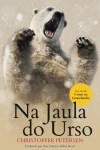
BOOK 4: “Inside the Bear’s Cage”
TRADUÇÃO para português: “Na Jaula do Urso”


Greenland Mission Persons | Pessoas Desaparecidas da Gronelândia


When Petra Jensen graduated from Police Academy, there was no Missing Persons desk. Then, Petra answered a phone call. After solving her first case, she was rewarded with her own section. However, she is still a rookie constable, therefore, she still has to do basic work. These are Petra’s stories before she met David Maratse and “be part” of the Greenland Crime series.

Quando Petra Jensen terminou o curso na Academia da Polícia não havia um gabinete de Pessoas Desaparecidas. Um dia, Petra atendeu um telefonema. Depois de resolver o primeiro caso, foi recompensada com a sua própria secção. No entanto, ela é uma novata, portanto, ainda precisa de fazer trabalho de base. Estas são as histórias de Petra antes de conhecer David Maratse e “fazer parte” da série Crimes na Gronelândia.

 
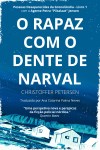
BOOK 1: “The Boy with the Narwhal Tooth”

TRADUÇÃO para português: “O Rapaz com o Dente de Narval”

 
BOOK 2: “The Girl with the Raven Tongue”
TRADUÇÃO para português: “A Rapariga que Falava como um Corvo”

 
BOOK 3: “The Shiver in the Arctic”
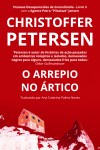
TRADUÇÃO para português: “O Arrepio no Ártico”


Suggestions for Portuguese readers – Part II

Portuguese version

A criadora do site “Words in Ideas” é, na verdade, uma tradutora, especializada em tradução literária. Atualmente, é a tradutora de português de Christoffer Petersen, um autor britânico independente com ligações dinamarquesas. Inspirado no tempo que viveu na Gronelândia, escreve policiais e histórias de ação passadas nessa ilha gelada.

English version

The founder of the website “Words in Ideas” is actually a translator, specialized in literary translation. Currently, she is the Portuguese translator of Christoffer Petersen, a British independent author with Danish connections. Inspired by the time he lived in Greenland, he writes crime stories and thrillers taking place on that iced island.


The Greenland Trilogy | A Trilogia da Gronelândia


Quando Fenna Brongaard começou a trabalhar na patrulha SIRIUS, pensou que o maior desafio seriam as tempestades de gelo ao longo da rota através do deserto da Gronelândia. Estava errada. Desde a missão secreta no Livro 1, passando pela curta carreira como agente secreta no Livro 2, até ao autoimposto dever no Livro 3, ela vive muitas aventuras perigosas. Uma história de ação alucinante que surpreende a cada passo. Entretanto, ela conhece David Maratse, um polícia gronelandês e a personagem principal da série Crimes na Gronelândia.

When Fenna Brongaard started her job with the SIRIUS patrol, she thought her biggest challenge was the ice storms along the patrol route through the Greenland desert. She was wrong. From her secret mission in Book 1, her short career as a secret agent in Book 2, to her personal self-imposed assignment in Book 3, she lives many dangerous adventures. A fast-paced thriller that surprises at every step of the way. In the meantime, she also meets David Maratse, a Greenland Police Constable and the main character of the Greenland Crime series.

 
BOOK 1: “The Ice Star”
TRADUÇÃO para português: “A Estrela do Gelo”

BOOK 2: “In the Shadow of the Mountain”
TRADUÇÃO para português: “À Sombra da Montanha”

BOOK 3: “The Shaman’s House”
TRADUÇÃO para português: “A Casa do Xamã”


FENNA SHORT STORIES

Depois dos acontecimentos dos livros anteriores, Fenna é recrutada por uma agência de serviços secretos e é destacada para várias missões. Algumas dessas missões são contadas nos livros seguintes.

After the events that unfolded in the previous books, Fenna is recruited by a secret services agency and is assigned several missions. Some of these missions are told is the following books.

 
BOOK 1: “In Strange Hands and The Frenchman”
TRADUÇÃO para português: “Em Mãos Alheias e O Francês”

BOOK 2: “At All Costs”
TRADUÇÃO para português: “A Qualquer Preço”


Greenland Crime | Crimes na Gronelândia


Devido aos acontecimentos que tiveram lugar n’A Trilogia da Gronelândia, David Maratse, um polícia gronelandês, é obrigado a reformar-se mais cedo. Decide mudar-se para Inussuk, situado na costa, no outro lado do país, para se dedicar à caça e à pesca. Bem, esse era o plano. O plano muda no Livro 1 quando Maratse encontra uma pessoa morta, assassinada. Contra a sua vontade, participa na investigação policial. No Livro 2, encontra um barco abandonado, cheio de sangue… Entretanto, apaixona-se por Petra Jensen, uma sargento da polícia gronelandesa e a personagem principal na série Pessoas Desaparecidas da Gronelândia. Porém, Petra desaparece no Livro 3 e, por causa do que ele faz por ela, Maratse vai parar à prisão no Livro 4.

Due to the events that took place in The Greenland Trilogy, David Maratse, a Greenland Police Constable, is forced into an early retirement. He decides to move to Inussuk, situated on the coast, on the other side of the country, to hunt and to fish. Well, that was the plan. The plan changes in Book 1 when Maratse finds a dead body, murdered. Against his will, he gets involved in the police investigation. In Book 2, he finds an abandoned boat, full of blood… In the meantime, he falls in love with Petra Jensen, a Greenland Police Sargent and the main character of the Greenland Missing Persons series. Yet, Petra disappears in Book 3 and, because of what he does for her, Maratse goes to jail in Book 4.

 
BOOK 3: “We Shall Be Monsters”
TRADUÇÃO para português: “Seremos Monstros”

 
BOOK 4: “Inside the Bear’s Cage”
TRADUÇÃO para português: “Na Jaula do Urso”


Greenland Mission Persons | Pessoas Desaparecidas da Gronelândia


Quando Petra Jensen terminou o curso na Academia da Polícia não havia um gabinete de Pessoas Desaparecidas. Um dia, Petra atendeu um telefonema. Depois de resolver o primeiro caso, foi recompensada com a sua própria secção. No entanto, ela é uma novata, portanto, ainda precisa de fazer trabalho de base. Estas são as histórias de Petra antes de conhecer David Maratse e “fazer parte” da série Crimes na Gronelândia.

When Petra Jensen graduated from Police Academy, there was no Missing Persons desk. Then, Petra answered a phone call. After solving her first case, she was rewarded with her own section. However, she is still a rookie constable, therefore, she still has to do basic work. These are Petra’s stories before she met David Maratse and “be part” of the Greenland Crime series.

 
BOOK 1: “The Boy with the Narwhal Tooth”
TRADUÇÃO para português: “O Rapaz com o Dente de Narval”

 
BOOK 2: “The Girl with the Raven Tongue”
TRADUÇÃO para português: “A Rapariga que Falava como um Corvo”

 
BOOK 3: “The Shiver in the Arctic”
TRADUÇÃO para português: “O Arrepio no Ártico”


The Indigenous peoples living in the Western region of the Arctic are called Innuit (Eskimo is considered offensive). Kalaallit Nunaat (Greenland) has three major groups: one in the West, one in the East, and one in the North. Get to know their world better here.

 
Check the website daily to read the highlight of the day.